Source Automatic Pet Feeder for Dogs Cats Birds
Compare 30 automatic pet feeder options with features like fixed-time feeding, app control, and recyclable materials. Buyers can evaluate specifications, MOQs, and delivery times from verified Chinese manufacturers for dogs, cats, and other pets; compare the available evidence and request quotations based on your requirements.
Key considerations
Products List




Comprehensive Sourcing Guide
Automatic Pet Feeder Sourcing Guide
Sourcing automatic pet feeders requires a careful balance between technological reliability and mechanical durability, as these devices operate continuously in home environments. Buyers must prioritize units that offer precise portion control and consistent dispensing mechanisms to ensure pet health and owner peace of mind. The market presents a wide array of options, from basic gravity-fed bowls to complex smart feeders with app connectivity, each serving different user needs and budget constraints.
Procurement teams should evaluate the power source and voltage compatibility early in the selection process, as these factors dictate global deployability. Many modern units support wide voltage ranges, such as 110-240V, which facilitates international distribution without requiring additional transformers. However, battery backup options remain critical for maintaining feeding schedules during power outages, a feature that significantly enhances product value and reduces customer support inquiries related to missed meals.
Product Scope and Observed Listing Signals
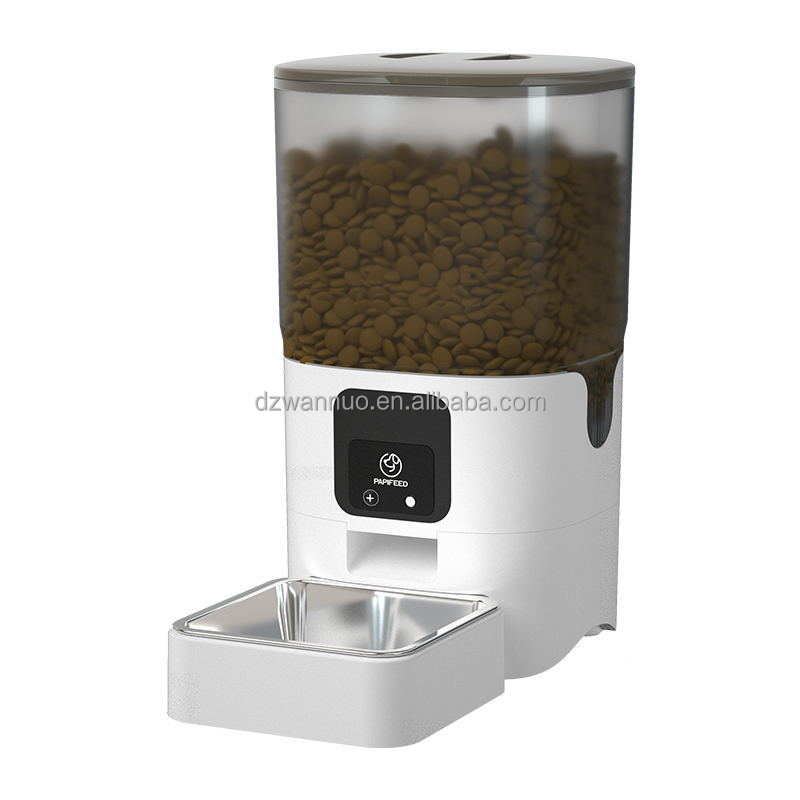
The current market landscape for automatic pet feeders includes a diverse range of product types, primarily categorized as automatic feeders and waterers. Listings indicate a strong presence of bowl-style designs, with some units specifically tailored for dogs while others support multi-pet households including cats. The observed product models, such as CT-102 and YE96109, suggest a variety of form factors, ranging from compact units to larger capacity dispensers, allowing buyers to target specific niche segments within the pet care industry.
Observed listing signals reveal significant variation in customization capabilities and packaging standards. Many suppliers offer customized branding and packaging options, including gift boxes and hangtags, which are essential for private label strategies. The presence of features like fixed-time feeding and app control indicates a shift toward smart home integration. Buyers should note that while some units are described as recyclable, others emphasize specific material properties, requiring careful verification of sustainability claims against actual product specifications.
Technical Specifications to Verify
Technical verification must begin with physical dimensions and capacity, as these directly impact storage logistics and user convenience. Standardized dimensions such as 370163370mm are common, but buyers must confirm whether these refer to the product itself or the outer carton, as discrepancies can lead to unexpected freight costs. Capacity specifications, such as 3.75L, should be cross-referenced with the actual volume of dry food the unit can hold, ensuring that the advertised capacity aligns with real-world usage scenarios for different pet sizes.
Control mechanisms and power requirements are critical technical differentiators that require rigorous testing. Units featuring both APP and LCD controls offer enhanced user experience but introduce potential points of failure related to software connectivity and hardware durability. Buyers should verify the stability of the charging interface and the reliability of the motor mechanism that dispenses food. Additionally, the presence or absence of fixed-time feeding features must be confirmed, as this functionality is a primary driver for consumer adoption in the smart pet device category.
Compliance and Safety Documentation
Compliance documentation is non-negotiable for electronic pet devices, particularly those involving electrical components and food contact materials. Buyers must request certificates such as ISO for quality management systems, which indicate a supplier’s commitment to standardized production processes. While certifications like CE and ROHS are often mentioned in background data, their validity must be independently verified through official testing reports to ensure the products meet the safety and environmental standards of the target export markets.
Food safety standards are equally important, as the feeder directly interacts with pet nutrition. Suppliers should provide evidence that all internal components, including hoppers and dispensing chutes, are made from food-grade materials that do not leach harmful chemicals. Buyers should also inquire about the durability of the materials used, ensuring they are resistant to chewing and scratching, which are common behaviors in pets. Proper documentation of material composition helps mitigate liability risks and ensures long-term product safety for animals.
Cost Drivers and Commercial Terms
Cost structures for automatic pet feeders are influenced by the complexity of the electronic components, the quality of the plastics used, and the level of customization required. Units with smart features, such as app connectivity and LCD displays, typically command higher prices due to the added R&D and component costs. Buyers should analyze the price range of 0.3 to 79 USD to understand the spectrum from basic mechanical feeders to advanced smart devices, aligning their procurement strategy with their target market’s price sensitivity.
Commercial terms, including MOQ and lead times, vary significantly among suppliers and must be negotiated based on order volume and product complexity. Observed MOQs range from 1 to 2000 pieces, with some suppliers requiring higher volumes for customized packaging or branding. Lead times can extend up to 40 days after order confirmation, which requires careful inventory planning to avoid stockouts. Payment terms such as T/T, L/C, and Western Union offer flexibility, but buyers should establish clear milestones for payment release to protect their financial interests.
Supplier Qualification and Quality Control
Supplier qualification should focus on manufacturing experience and quality control infrastructure. Suppliers with over 13 years of experience in the pet product industry often demonstrate greater stability and expertise in handling complex assembly processes. Buyers should verify the supplier’s production capacity and their ability to maintain consistent quality across large batches, particularly for electronic components that are prone to variability. Factory audits, whether remote or on-site, are essential to assess the rigor of their incoming material inspection and final product testing procedures.
Quality control protocols must include functional testing of all electronic features, such as app connectivity, timer accuracy, and motor performance. Buyers should request sample units for thorough testing in real-world conditions to identify potential issues like jamming or connectivity drops. Additionally, packaging integrity should be evaluated to ensure that products arrive without damage, especially given the fragile nature of LCD screens and electronic circuits. Establishing a clear defect rate threshold and a process for handling non-conforming goods is crucial for maintaining brand reputation.
Long-Term Procurement Checks
Long-term procurement success depends on the supplier’s ability to provide ongoing support and product iteration. Buyers should assess the supplier’s commitment to after-sales service, including the availability of spare parts and technical support for software updates. Smart feeders require regular firmware updates to address security vulnerabilities and improve user experience, so a reliable supply chain for digital support is as important as physical product delivery. Suppliers who actively engage in R&D are more likely to offer innovative features that keep their products competitive in a rapidly evolving market.
Sustainability and regulatory changes also pose long-term risks that must be monitored. As environmental regulations tighten, suppliers must adapt their materials and packaging to comply with new standards. Buyers should regularly review their suppliers’ compliance status and encourage the adoption of recyclable materials where feasible. Maintaining open communication channels with suppliers allows for early detection of potential supply chain disruptions or regulatory changes, enabling proactive adjustments to procurement strategies and ensuring continuous product availability.
FAQs
Can automatic pet feeders be customized for specific branding needs?
Yes, customization is available for automatic pet feeders to meet specific branding requirements. Buyers can request custom packaging, hangtags, or specific design elements to align with their brand identity. This flexibility allows businesses to create unique products that stand out in the market while maintaining the core functionality of the feeder.
What is the typical MOQ for automatic pet feeder orders?
The typical MOQ for automatic pet feeders ranges from 1 to 2000 pieces, depending on the supplier and product specifications. Some suppliers may require a minimum order of 1000 or 2000 pieces, while others might accept smaller quantities. Buyers should verify the specific MOQ with the supplier before placing an order.
How long is the delivery time for automatic pet feeders?
Delivery times for automatic pet feeders typically range from 20 to 40 days after payment or order confirmation. The exact lead time depends on the supplier's production schedule and the order quantity. Buyers should confirm the delivery timeline with the supplier to ensure it aligns with their business needs.
What certifications are commonly associated with automatic pet feeders?
Automatic pet feeders are often associated with ISO certification, indicating adherence to quality management standards. Some products may also comply with CE and ROHS standards, ensuring safety and environmental compliance. Buyers should verify the specific certifications required for their target market to ensure regulatory compliance.
What power sources are used in automatic pet feeders?
Automatic pet feeders typically use electrical power sources with voltages ranging from 110-240V or 5V. Some models may also feature rechargeable batteries for portability. Buyers should check the power requirements of the feeder to ensure compatibility with their local electrical standards and usage needs.
What sizes are available for automatic pet feeders?
Automatic pet feeders are available in various sizes, including large and medium options, to accommodate different pet needs. Some models have specific dimensions such as 370*163*370mm or 346.5X191X352mm. Buyers should select the appropriate size based on the pet's feeding requirements and the available space for the feeder.